
Kaimur, nestled in the heart of Bihar, is a captivating blend of historical significance, cultural richness, and natural splendor. Kaimur attracts history buffs, spiritual seekers, and nature enthusiasts alike. Here’s an extensive guide to Kaimur, including 10 must-visit attractions that promise an unforgettable experience.

The Kaimur Wildlife Sanctuary is a sprawling haven for nature and wildlife enthusiasts. Covering an area of 1,344 square kilometers, this sanctuary is not only one of the largest in India but also a biodiversity hotspot. Nestled in the Kaimur Hills, it is an integral part of the Vindhya Range and offers a unique ecological blend of forests, rivers, and grasslands.
The sanctuary is home to a variety of flora and fauna. It houses Bengal tigers, leopards, sloth bears, and various species of deer, along with reptiles and countless bird species. It is a paradise for bird watchers, with migratory and resident birds flocking to the sanctuary, especially during winter. Some rare birds found here include the Indian grey hornbill, crested serpent eagle, and the grey-headed fish eagle.
For adventurers, the sanctuary provides opportunities for trekking, camping, and safaris. The serene environment of the forest, combined with the occasional sighting of wild animals, makes for a thrilling yet calming experience.
The sanctuary also has archaeological significance, with prehistoric rock paintings and artifacts scattered throughout its terrain. These findings hint at ancient human habitation and provide a glimpse into history.
Additionally, the sanctuary’s lush landscapes are interspersed with waterfalls and small streams, enhancing its natural beauty. The Chandraprabha River, which flows through the sanctuary, adds to its allure, making it a perfect spot for picnics and nature exploration.
Best Time to Visit: November to March, when the weather is pleasant and wildlife sightings are frequent.
Activities: Wildlife safaris, bird watching, trekking, and exploring archaeological sites.


Karkat Waterfall, a mesmerizing natural wonder in the Kaimur district, is a must-visit destination for nature enthusiasts and photographers. Located amidst the dense forests of the Kaimur Range, this waterfall is renowned for its breathtaking beauty and serene surroundings. The cascading waters, which descend from a considerable height, create a soothing sound that resonates with the peaceful ambiance of the area.
The waterfall is especially captivating during the monsoon season when the water flow is at its peak, and the surrounding vegetation flourishes. Visitors are treated to a vivid display of nature’s artistry, with the lush greenery framing the cascading waters, creating a picturesque backdrop.
Karkat Waterfall is not just a scenic spot but also a hub for adventure seekers. Trekking trails around the waterfall lead visitors through verdant forests, offering glimpses of local wildlife and exotic flora. For photographers, the area provides countless opportunities to capture stunning landscapes and vibrant biodiversity.
The waterfall also holds cultural and historical significance. Local folklore and legends associated with the site make it an intriguing place for those interested in regional stories. Additionally, the area is popular among families for picnics, as it offers ample space to relax and enjoy amidst nature.
Visitors often spend hours soaking in the natural beauty, listening to the gushing water, and exploring the nearby trails. The cool mist from the waterfall provides a refreshing escape from the hustle and bustle of city life.
Best Time to Visit: June to October, when the waterfall is in full flow.
Activities: Trekking, photography, picnicking, and enjoying nature walks.
Telhar Waterfall is another spectacular gem in Kaimur, offering visitors a perfect blend of tranquility and adventure. Situated in the Vindhya Hills, this waterfall is surrounded by lush greenery and rocky terrains, making it a haven for nature lovers.
The waterfall’s pristine waters gush down from a significant height, creating a majestic sight. The pool formed at the base of the falls is crystal clear, reflecting the vivid hues of the sky and surrounding forest. The melodious sound of cascading water, coupled with the chirping of birds, makes Telhar Waterfall a rejuvenating retreat.
The area around Telhar Waterfall is ideal for trekking. The trails lead visitors through dense forests, providing opportunities to spot native wildlife and unique plant species. Adventurers often find the rugged paths exciting, while the serene environment attracts those seeking peace and solitude.
Telhar Waterfall is also a popular picnic spot for locals and tourists. Families and groups of friends gather here to enjoy a day amidst nature, indulging in activities like cooking, playing games, and relaxing by the water. For photographers, the site offers unparalleled opportunities to capture the raw beauty of nature.
The nearby hills enhance the appeal of the waterfall, providing panoramic views of the region. During the monsoon season, the waterfall becomes even more magnificent, with an increased water flow and vibrant green surroundings. However, visitors should exercise caution due to slippery paths and strong currents.
Best Time to Visit: June to February, with monsoon being the most spectacular time to visit.
Activities: Trekking, picnicking, photography, and wildlife observation.


Mundeshwari Temple, perched on the summit of Mundeshwari Hill, is one of the oldest functioning temples in India. Dedicated to Lord Shiva and Goddess Shakti, this temple is a significant spiritual and historical landmark in Kaimur.
The temple’s origins date back to 625 CE, as per archaeological findings. It is built in an octagonal shape, a rarity in Indian temple architecture, and showcases exquisite carvings and intricate designs that reflect the craftsmanship of ancient artisans. The temple attracts not only devotees but also historians and architecture enthusiasts.
The presiding deity, Mundeshwari Devi, is revered as an embodiment of Shakti, and the temple holds great significance for Hindu pilgrims. Devotees flock to the temple during festivals, especially during Navratri, to seek blessings and participate in rituals. The serene atmosphere on the hilltop enhances the spiritual experience.
The journey to the temple is an adventure in itself. Visitors need to hike through scenic trails that offer panoramic views of the surrounding hills and valleys. The trek is moderate, making it accessible to people of all age groups.
Mundeshwari Temple is also an important archaeological site. The carvings, inscriptions, and sculptures found here provide valuable insights into ancient Indian culture, religion, and art. The temple’s strategic location atop Mundeshwari Hill offers stunning views of the landscape, making it a favorite spot for photographers and nature lovers.
Best Time to Visit: October to March, with Navratri being the most festive time.
Activities: Trekking, exploring ancient architecture, attending religious ceremonies, and enjoying scenic views.

Located near the Kaimur district, Baidyanath Dham is a prominent pilgrimage site dedicated to Lord Shiva. It is one of the twelve Jyotirlingas in India and holds immense religious significance for Hindus.
The temple complex is an architectural marvel, featuring intricate carvings and beautifully adorned sanctums. The main shrine, dedicated to Lord Baidyanath, attracts thousands of devotees throughout the year. The site becomes especially lively during the month of Shravan (July-August) when the Shravani Mela is held. Devotees undertake the Kanwar Yatra, carrying holy water from the Ganges to offer to the deity.
Apart from its religious significance, Baidyanath Dham is a cultural hub. The temple complex hosts various fairs and festivals, showcasing the vibrant traditions of Bihar. Visitors can also explore nearby attractions, including smaller temples and natural landscapes.
Best Time to Visit: July to August (Shravan month) and during Maha Shivaratri.
Activities: Attending rituals, exploring the temple complex, and witnessing local cultural events.
Nestled in the scenic landscapes of Bihar's Kaimur district, the Durgavati River, Dam, and Reservoir offer a perfect blend of natural beauty, serenity, and utility. The river, a tributary of the Karmanasa, flows gracefully through the region, enriching its surroundings with lush greenery and biodiversity. Its calm waters and picturesque banks make it an ideal spot for nature lovers and photographers alike.
The Durgavati Dam, constructed to harness the river's potential, is an engineering marvel that plays a vital role in irrigation and water conservation. The dam is surrounded by panoramic views of rolling hills and forests, making it a favorite destination for tourists seeking peace and rejuvenation. The serene ambiance of the dam is complemented by its well-maintained surroundings, offering a refreshing escape from city life.
The Durgavati Reservoir, created by the dam, is a haven for boating enthusiasts and bird watchers. Its tranquil waters reflect the beauty of the sky and surrounding landscapes, providing a peaceful setting for picnics and relaxation.
Whether you are an adventurer, a nature enthusiast, or someone in search of tranquility, the Durgavati River, Dam, and Reservoir promise an unforgettable experience amid Bihar’s natural charm.

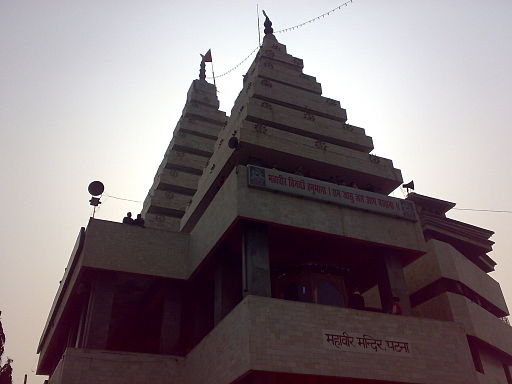

"Discover serenity at ISKCON Patna – a spiritual haven where devotion meets peace in the heart of Bihar's capital."
For more details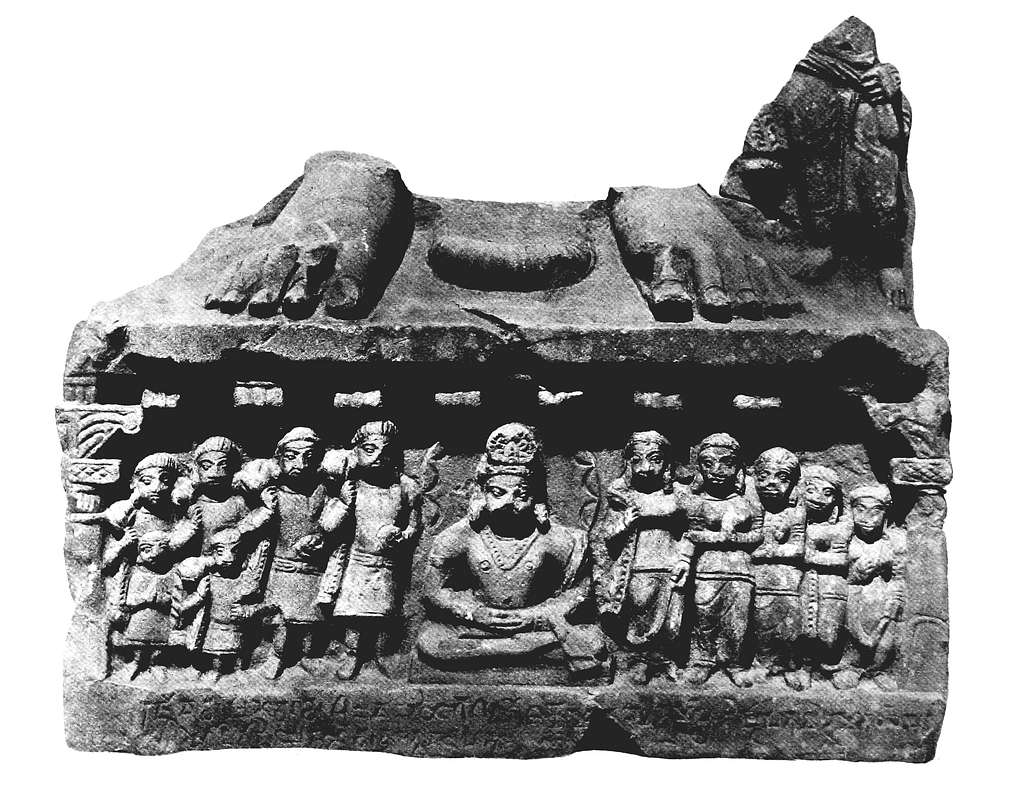
"Explore Patna Museum – a journey through Bihar's rich heritage, ancient artifacts, and timeless treasures of India's glorious past."
For more details
"Discover Bihar Museum – where history, art, and culture come alive, showcasing the vibrant legacy of Bihar’s ancient past."
For more details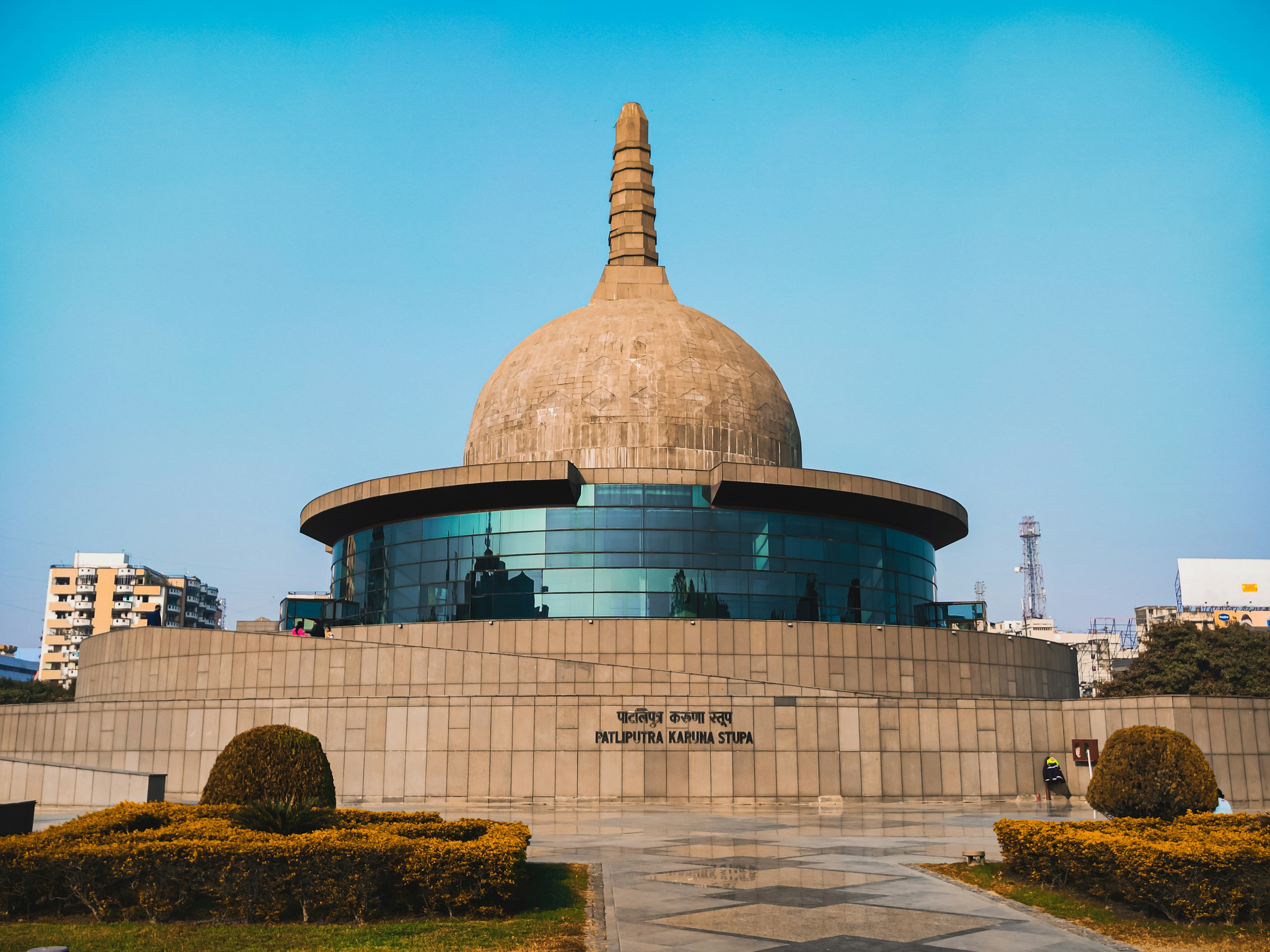
"Experience tranquility at Buddha Park – a serene escape in Patna, where peace and spirituality blend with natural beauty."
For more details
"Explore Patna Zoo – a lush green sanctuary where wildlife, nature, and adventure come together for a perfect family day out."
For more details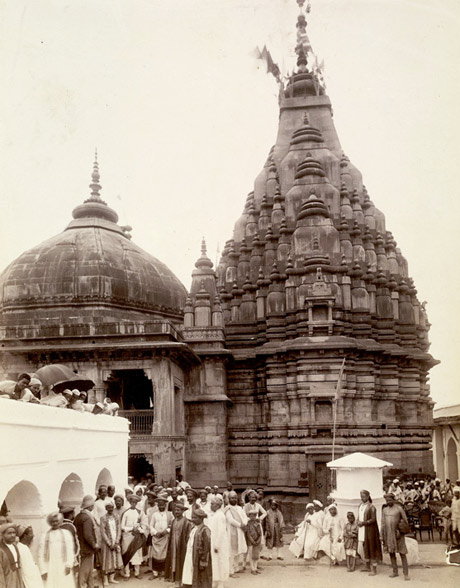
"Visit Vishnupad Temple – a sacred pilgrimage where devotion meets history, nestled in the spiritual heart of Gaya."
For more details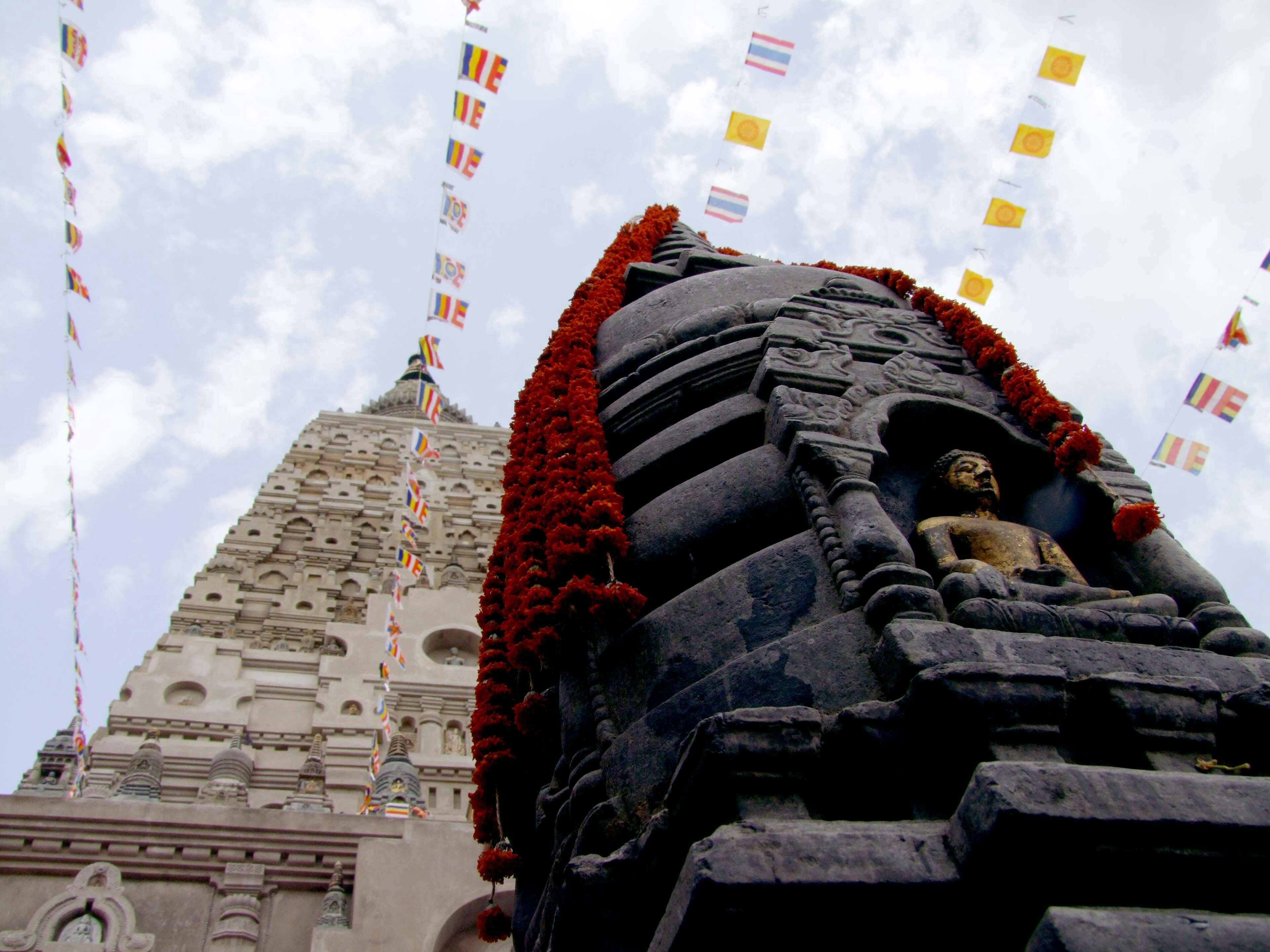
"Visit Mahabodhi Temple – a sacred pilgrimage where devotion meets history, nestled in the spiritual heart of Bodh Gaya."
For more details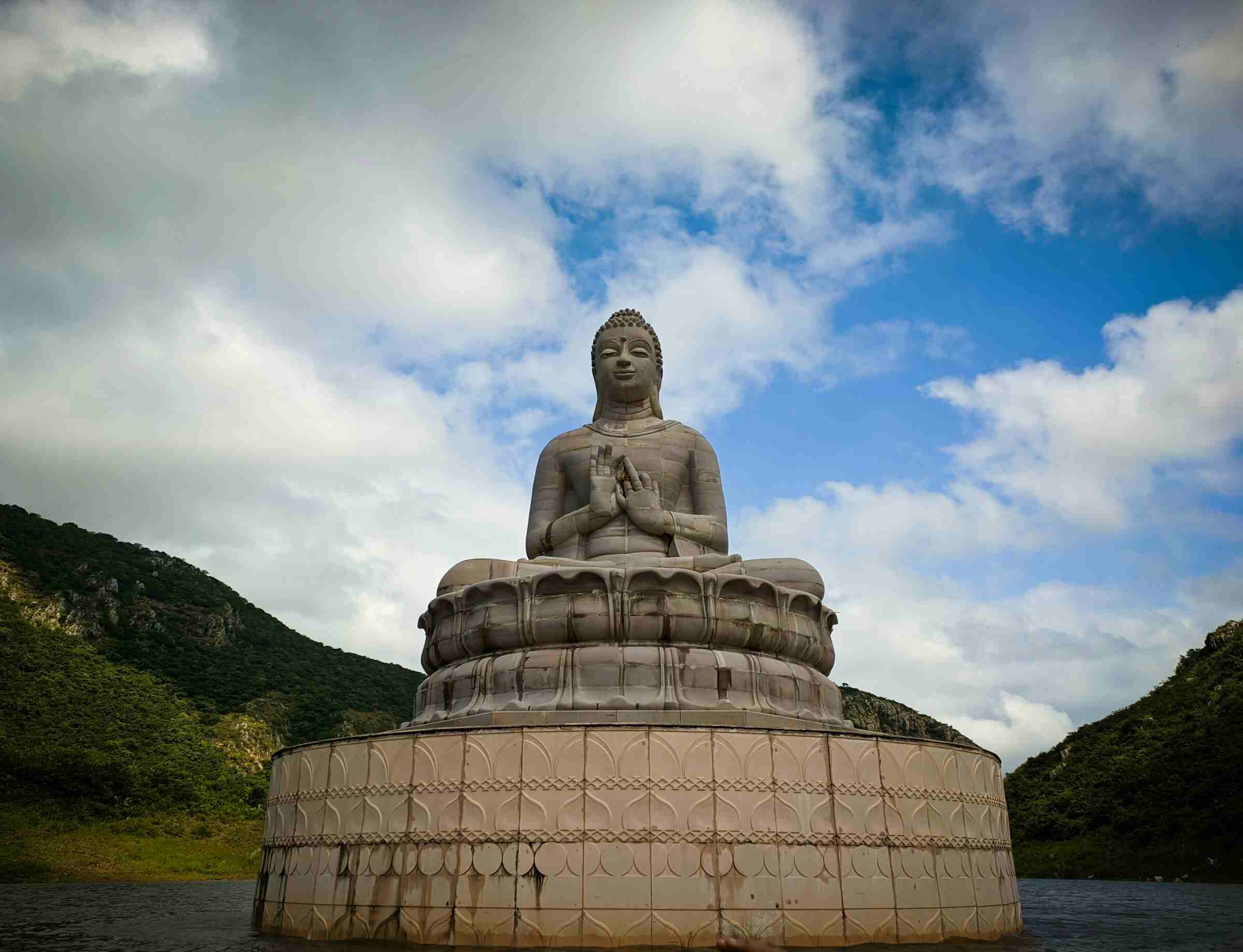
"Discover Ghora Katora – a peaceful lakeside retreat near Rajgir, where nature’s beauty and serenity offer a perfect escape."
For more details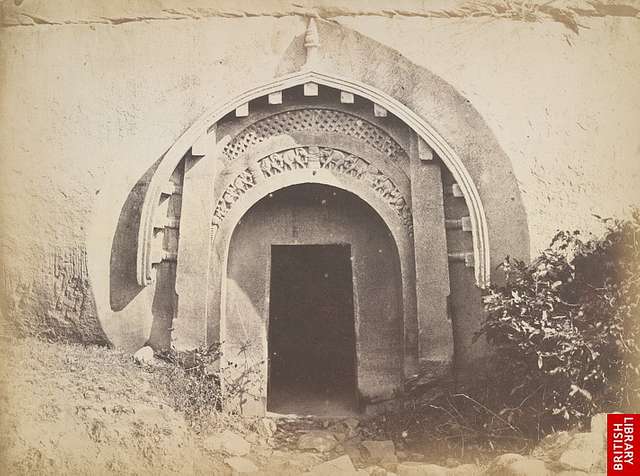
"Uncover the mystery of Barabar Caves – India’s oldest rock-cut caves, steeped in history and ancient Buddhist heritage."
For more details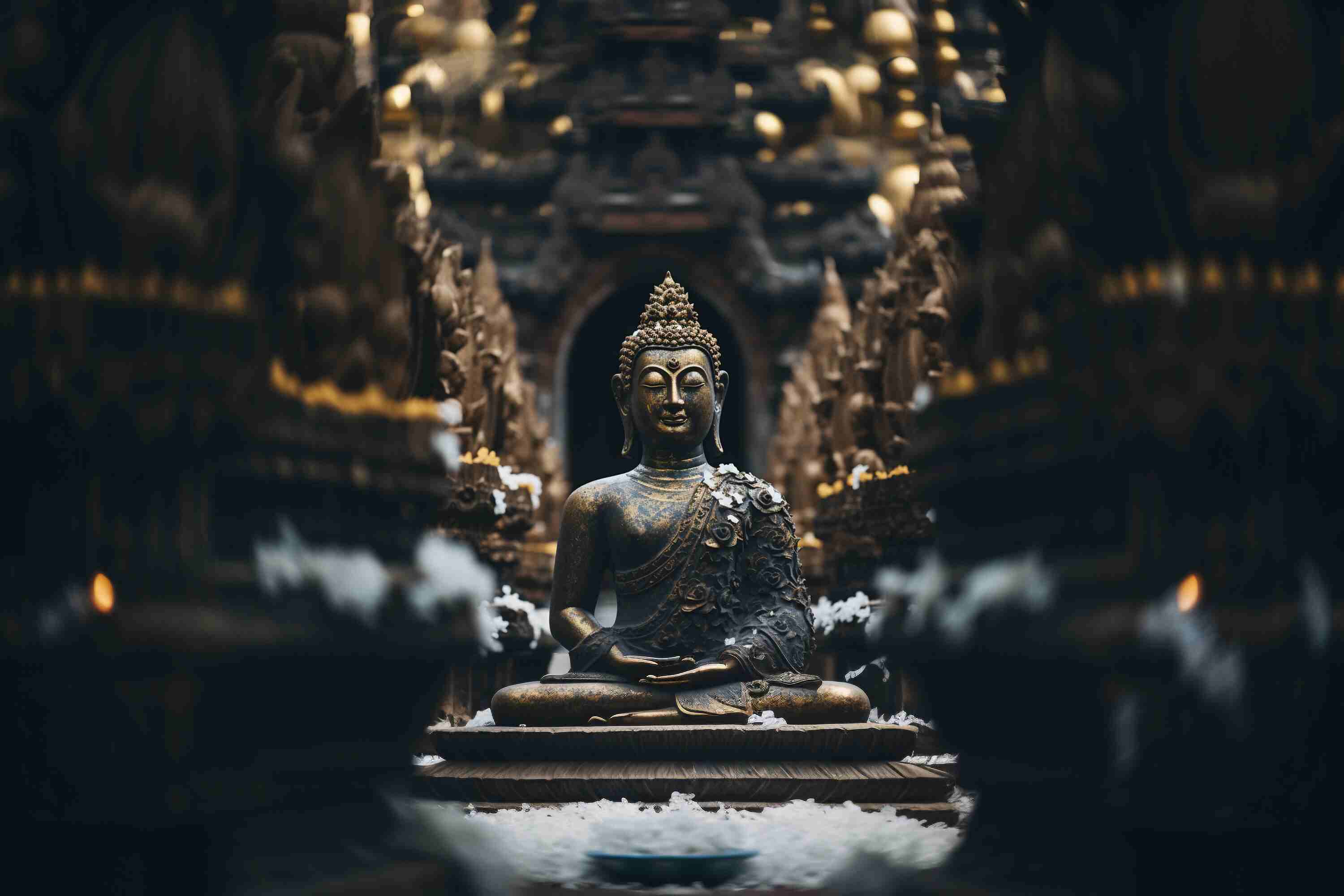
"Explore Dungeshwari Cave Temples – sacred ancient caves where Lord Buddha meditated, offering spiritual peace and historical significance near Bodh Gaya."
For more details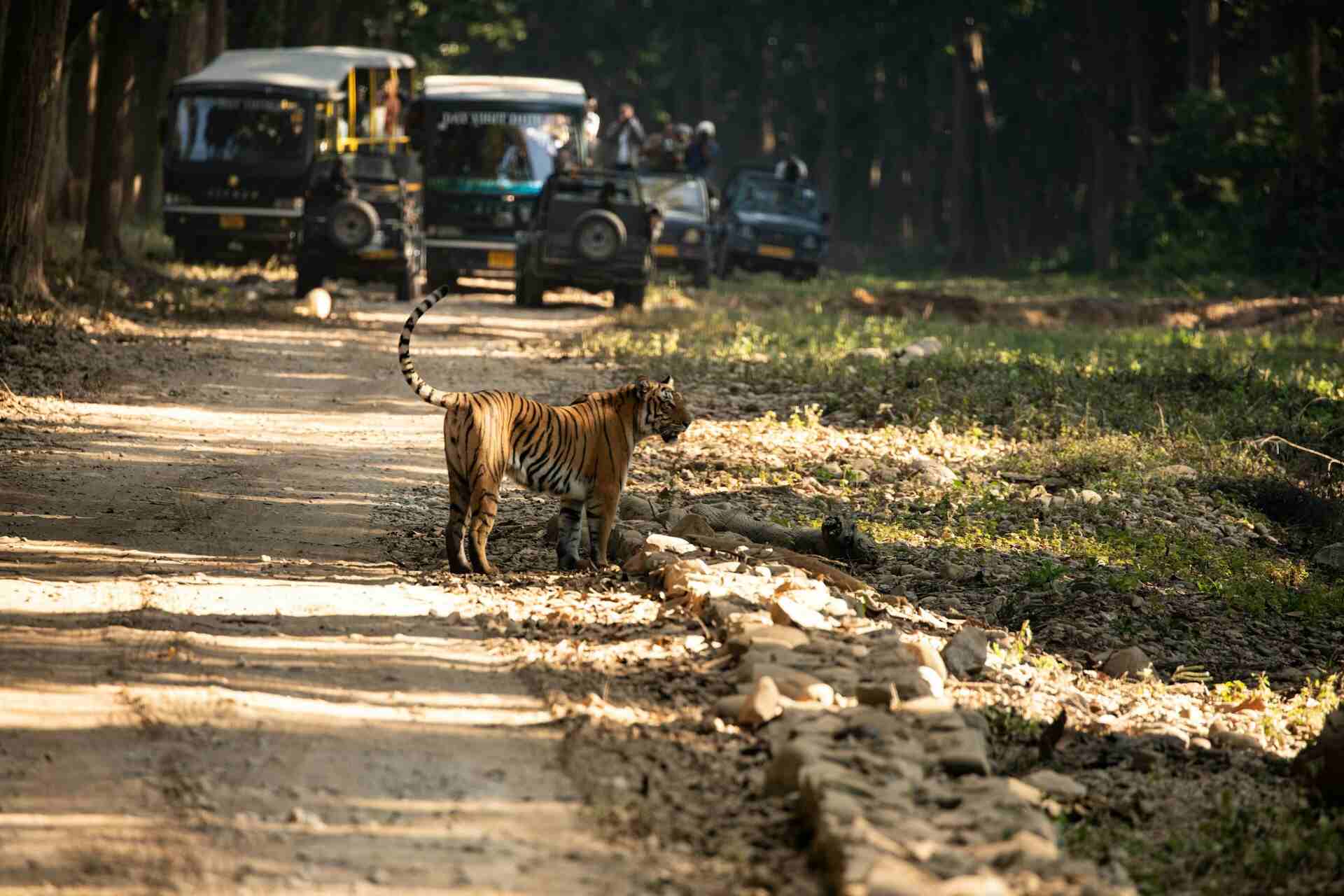
"Embark on an adventure at Rajgir Safari – a thrilling wildlife experience amidst the natural beauty and hills of Rajgir."
For more details